Twelfth Annual 24 Hour Musical - August 1, 2026. See Announcements for more info!
The Beginning
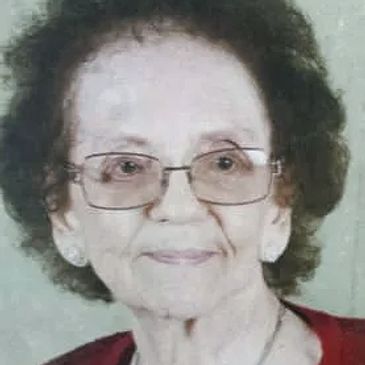
Lila Albergotti
The kitchen was started by the efforts of community activist, Lila Albergotti, according to a history of Grace Episcopal Church. Lila was a Grace Episcopal member, and in 1982, in a period of high unemployment in the county, she approached the church’s governing body
about providing a site for the soup kitchen.
The church’s Gadsden hou
The kitchen was started by the efforts of community activist, Lila Albergotti, according to a history of Grace Episcopal Church. Lila was a Grace Episcopal member, and in 1982, in a period of high unemployment in the county, she approached the church’s governing body
about providing a site for the soup kitchen.
The church’s Gadsden house, which was used as a school house at one time, was the soup kitchen’s first home. When the operation became self-sufficient, it was moved to its current location, at 306 W. Franklin St.
Today it is supported by donations from individuals, churches, companies and the United Way of Anderson County. They also receive support from the Abney Foundation and from the Foothills Community Foundation
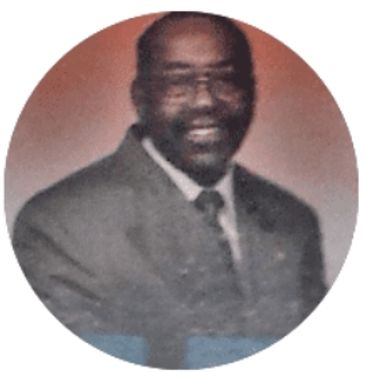
McLester McDowell
In March 2006, the cupboards at the Anderson Emergency Soup Kitchen on West Franklin Street were bare. The volunteers who prepare hot nutritional meals for needy persons five days per week were struggling to meet their mission.
Chairman McLester McDowell explains, “We are dependent upon the goodwill of individuals, churches and grants to
In March 2006, the cupboards at the Anderson Emergency Soup Kitchen on West Franklin Street were bare. The volunteers who prepare hot nutritional meals for needy persons five days per week were struggling to meet their mission.
Chairman McLester McDowell explains, “We are dependent upon the goodwill of individuals, churches and grants to provide these meals. There is only one salaried employee working at the Soup Kitchen, the cook.”
Foundation President Robert Rainey met with John Brown and McDowell and concocted a partnership between the kitchen and the foundation. Rainey agreed to pay the grocery bill at Quality Foods for the Soup Kitchen.
“That was 8 years ago” Rainey says, and $16,000 worth of grocery bills have been paid by the foundation’s Piedmont Health Assistance Fund.”
According to McDowell, “It would be impossible for the Soup Kitchen to provide this much needed service without the support they have contributed year after year.”
This has been a partnership milestone of 8 years for the Anderson facility and still counting.
McLester “Mac” McDowell’s booming laughter is gone from the dining room of Anderson’s Emergency Kitchen, where he spent every day for two or three decades until his death last fall.
It is clear that he is missed.
A large framed photo of him hangs in the dining room, above what once was a fireplace in this house turned soup kitchen.